Text by Stephanie Souza
Last Friday in October, Terra SP was taken over by a rare event: Refused , one of the most influential hardcore and punk bands of the 90s, finally performed on Brazilian soil. After a wait of almost 30 years, fans were finally able to say hello and a bittersweet goodbye to the band, which, unfortunately, bids farewell to the stage forever in 2025.
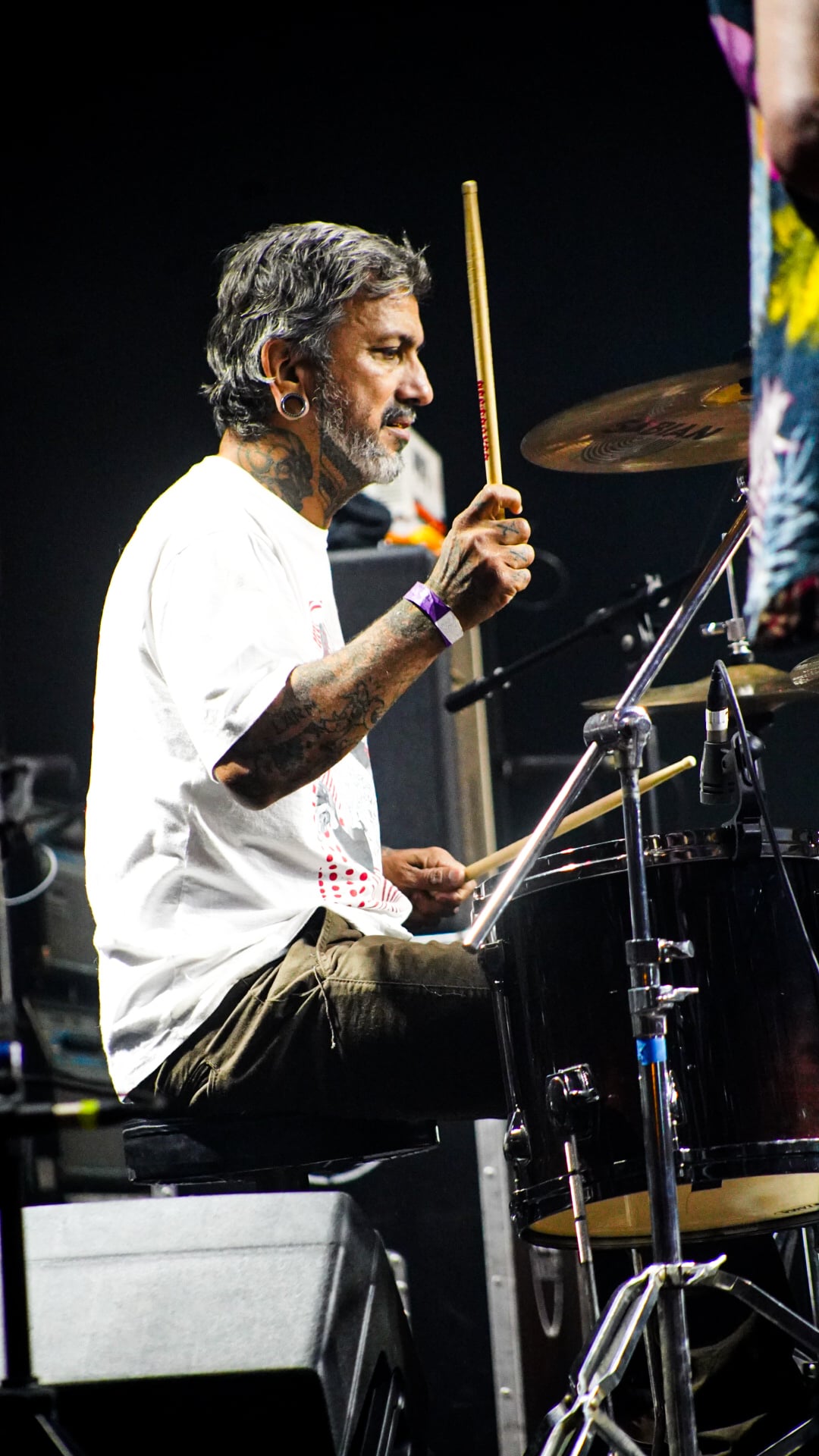
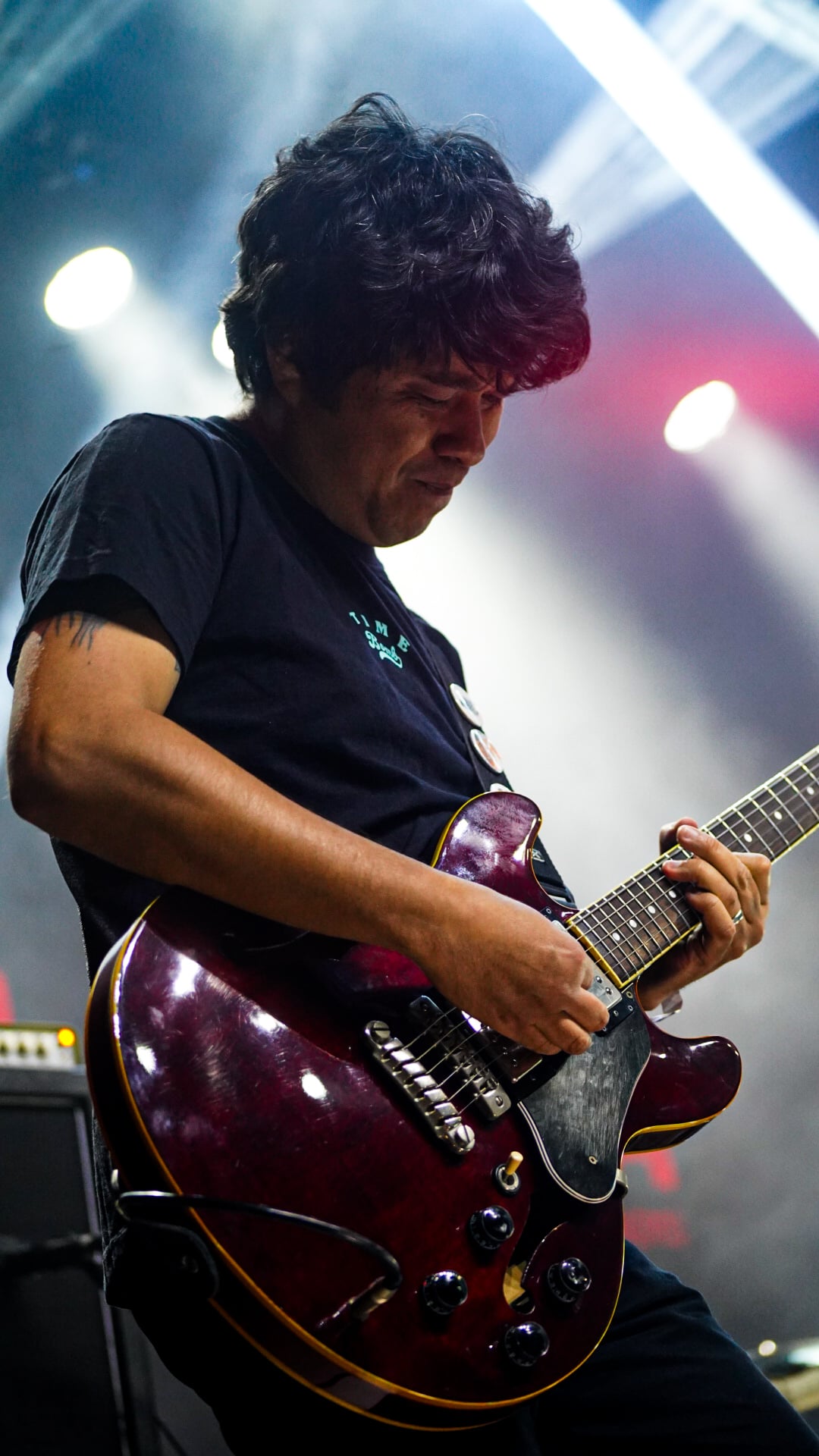
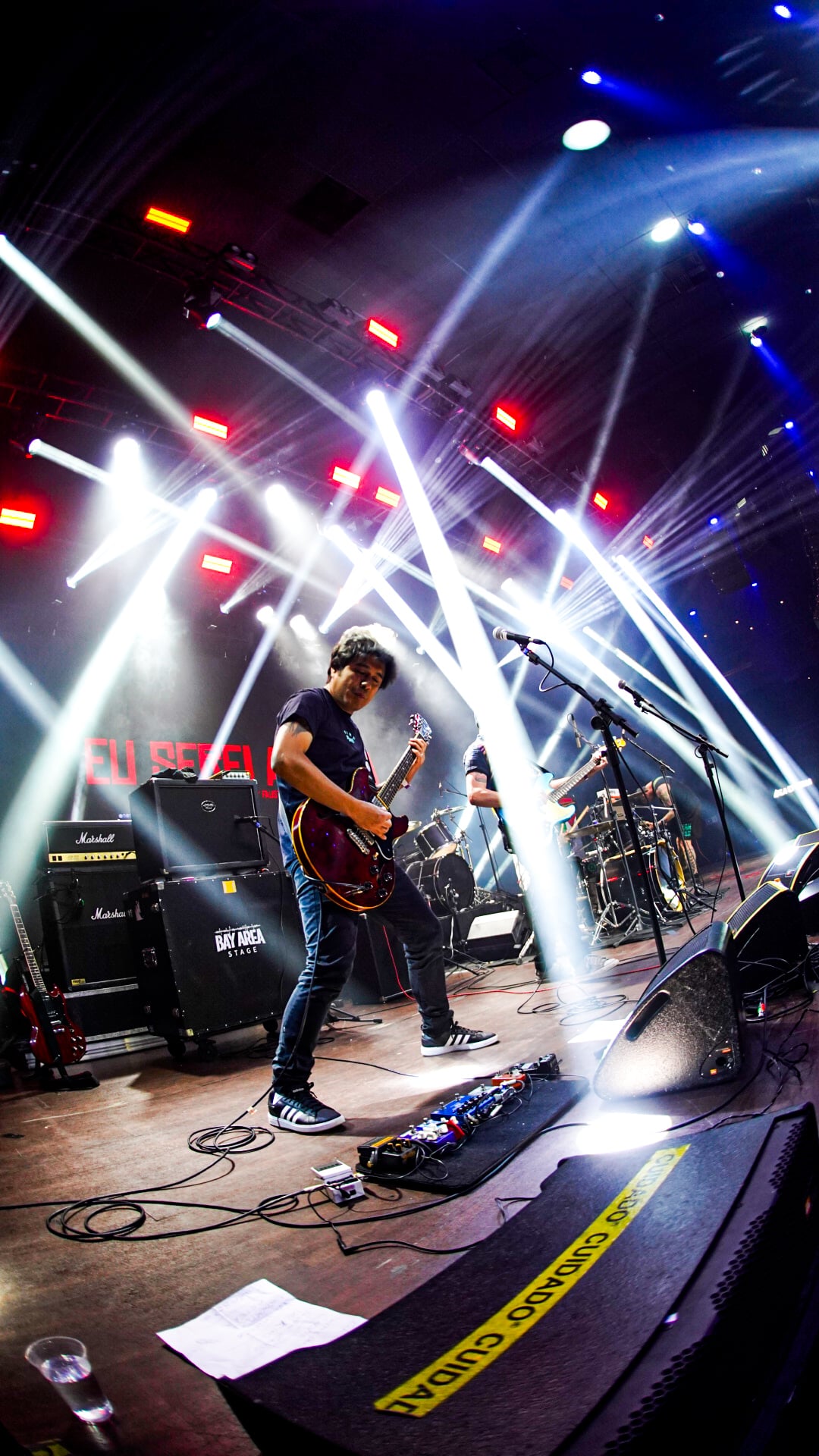
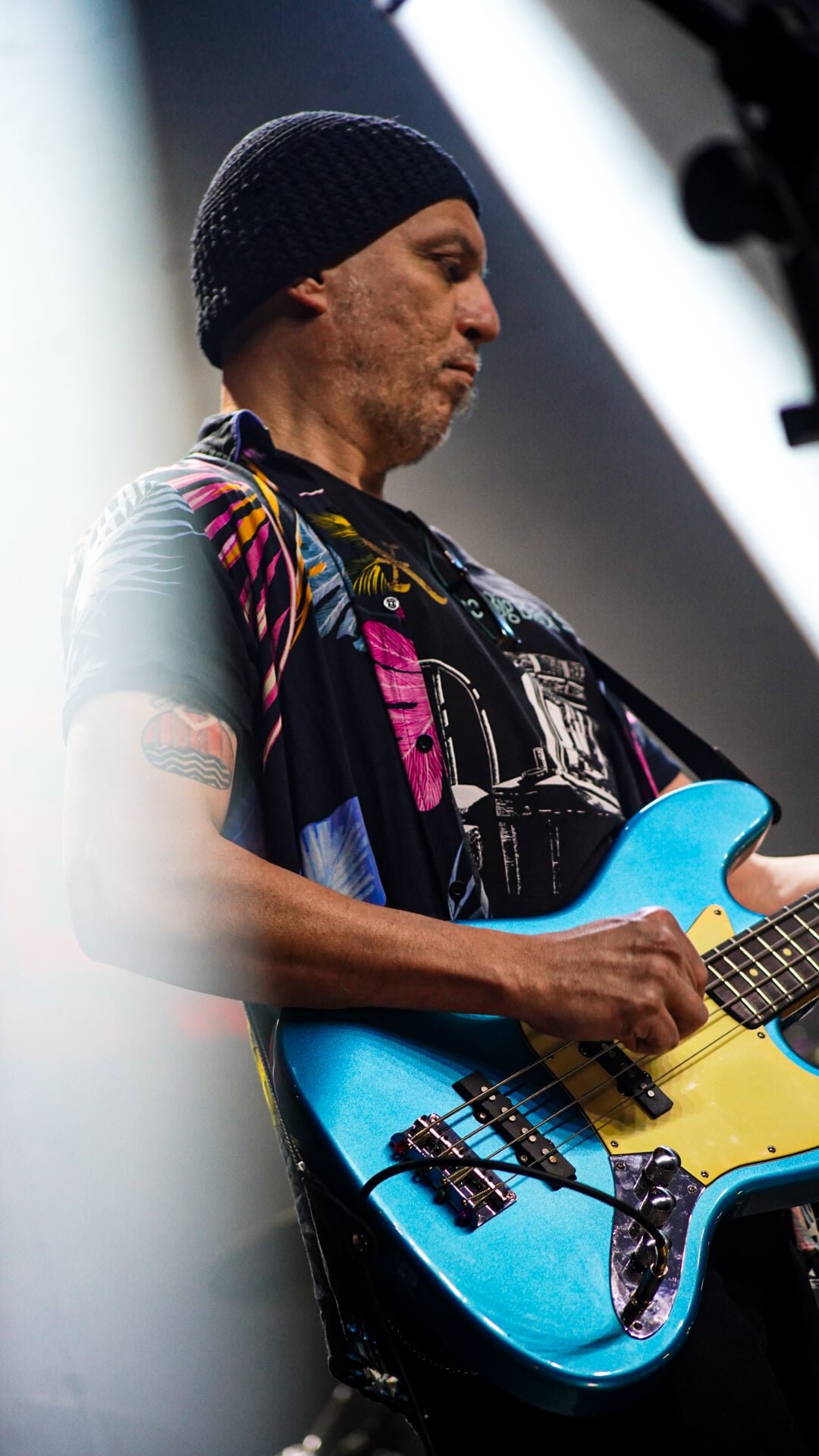
The event, produced by Balaclava Records in partnership with Powerline Music & Books, was opened by Eu Serei a Hiena , an experimental supergroup created in 2005 by Fausto Oi , Nino Tenório , Wash de Souza , and Paulo Sangiorgio , big names from legendary bands in the Brazilian hardcore punk scene, such as Dance of Days , Ratos de Porão , and O Inimigo . The mission was very well accomplished, since none of the members are exactly strangers to the stage, delivering an intense show, full of dissonances and sonic textures that stray from the obvious, preparing the ground with a sense of calm before the storm. The band, which has defined itself as "a complete escape from what everyone played in their main bands," put together a setlist that covered their only two studio albums: Eu Serei a Hiena (2005) and Hominis Canidae (2009).
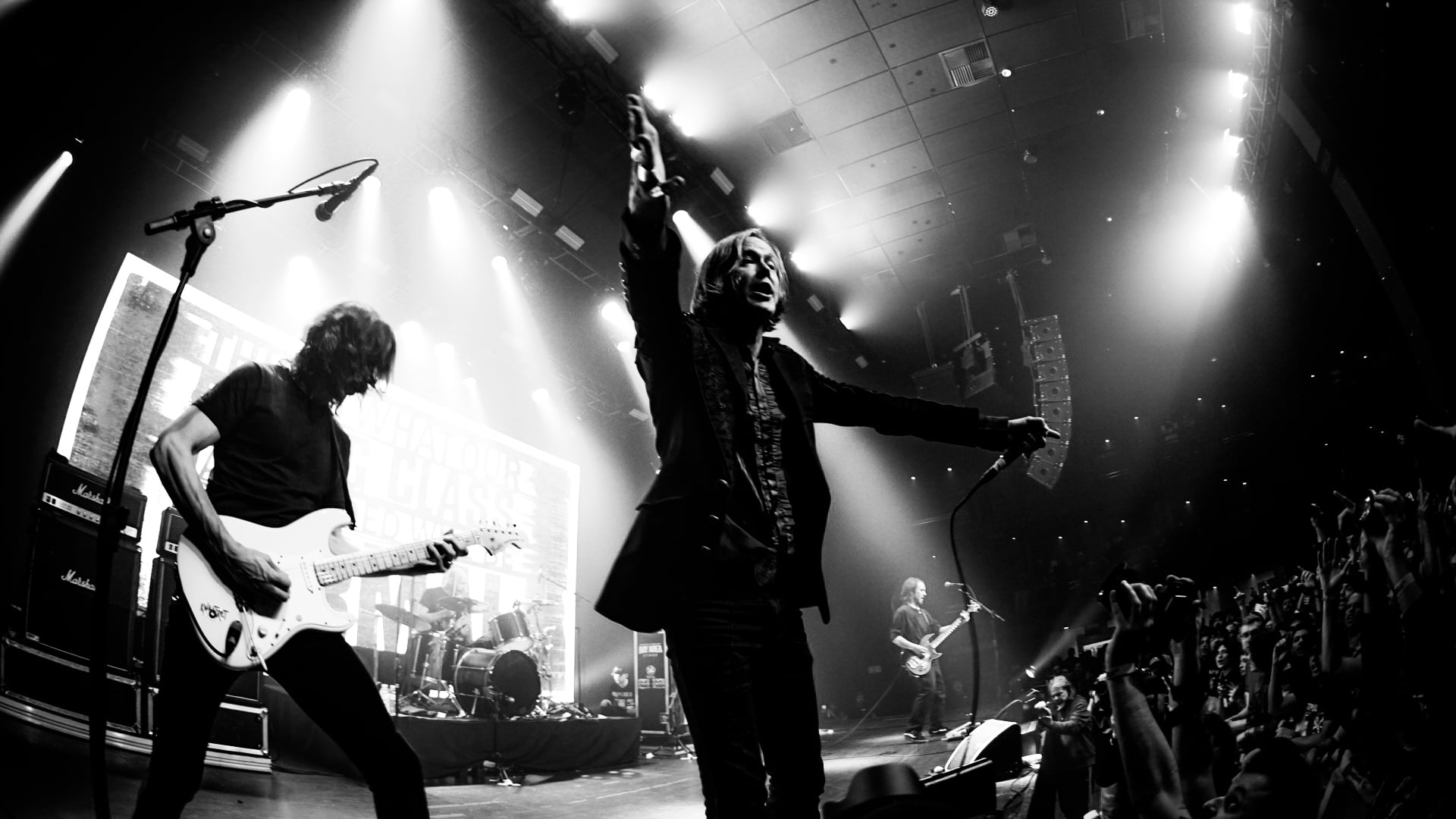
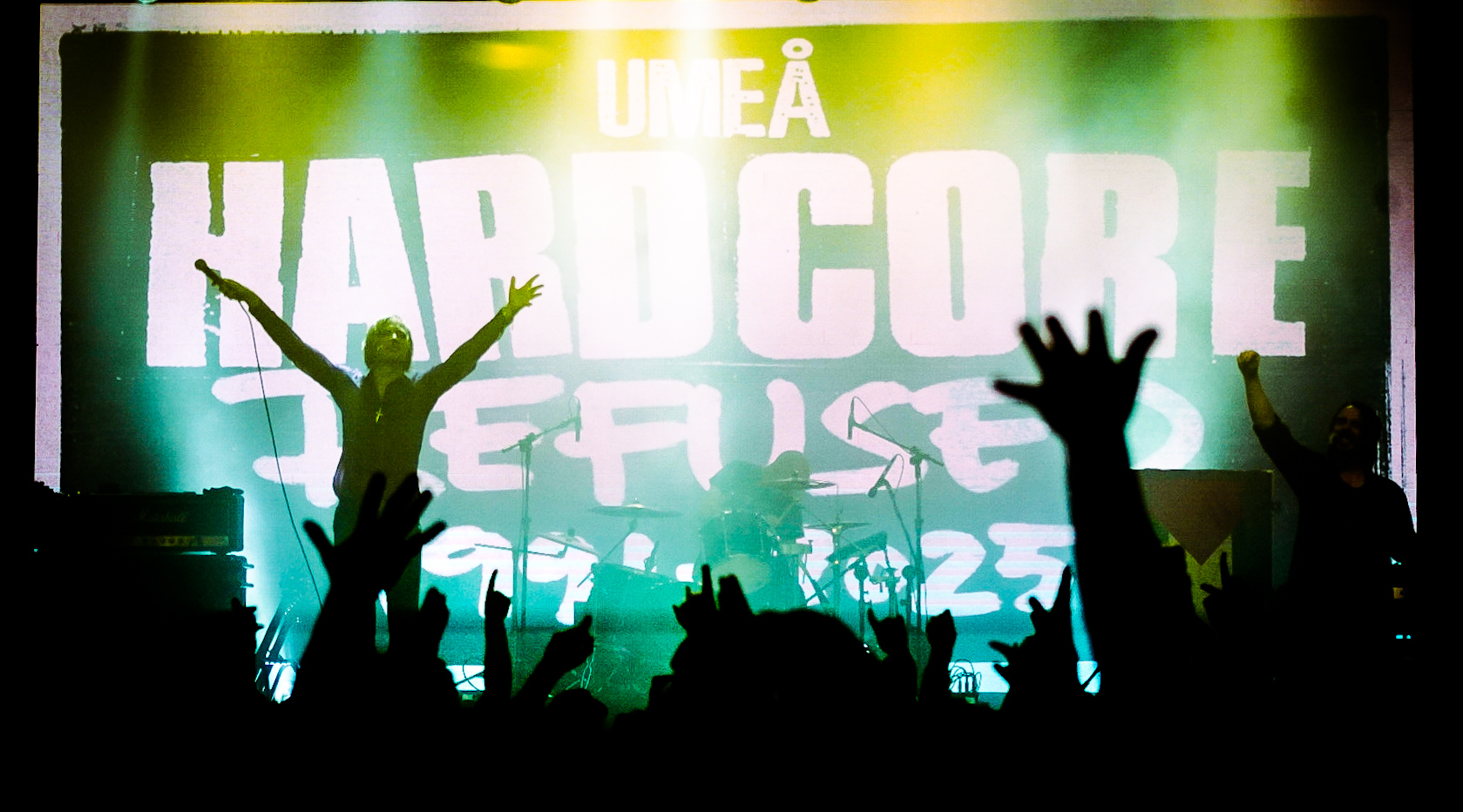
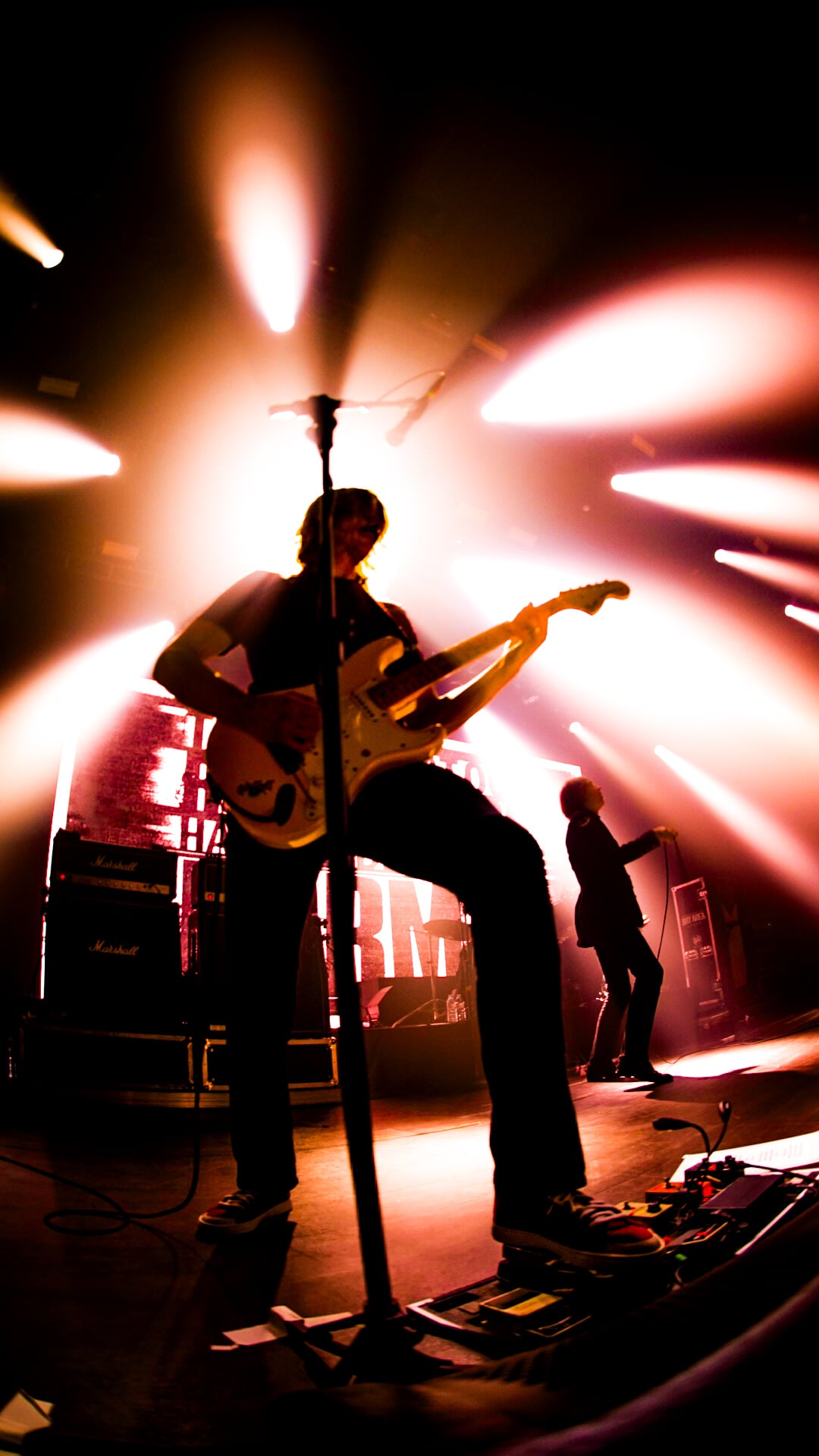
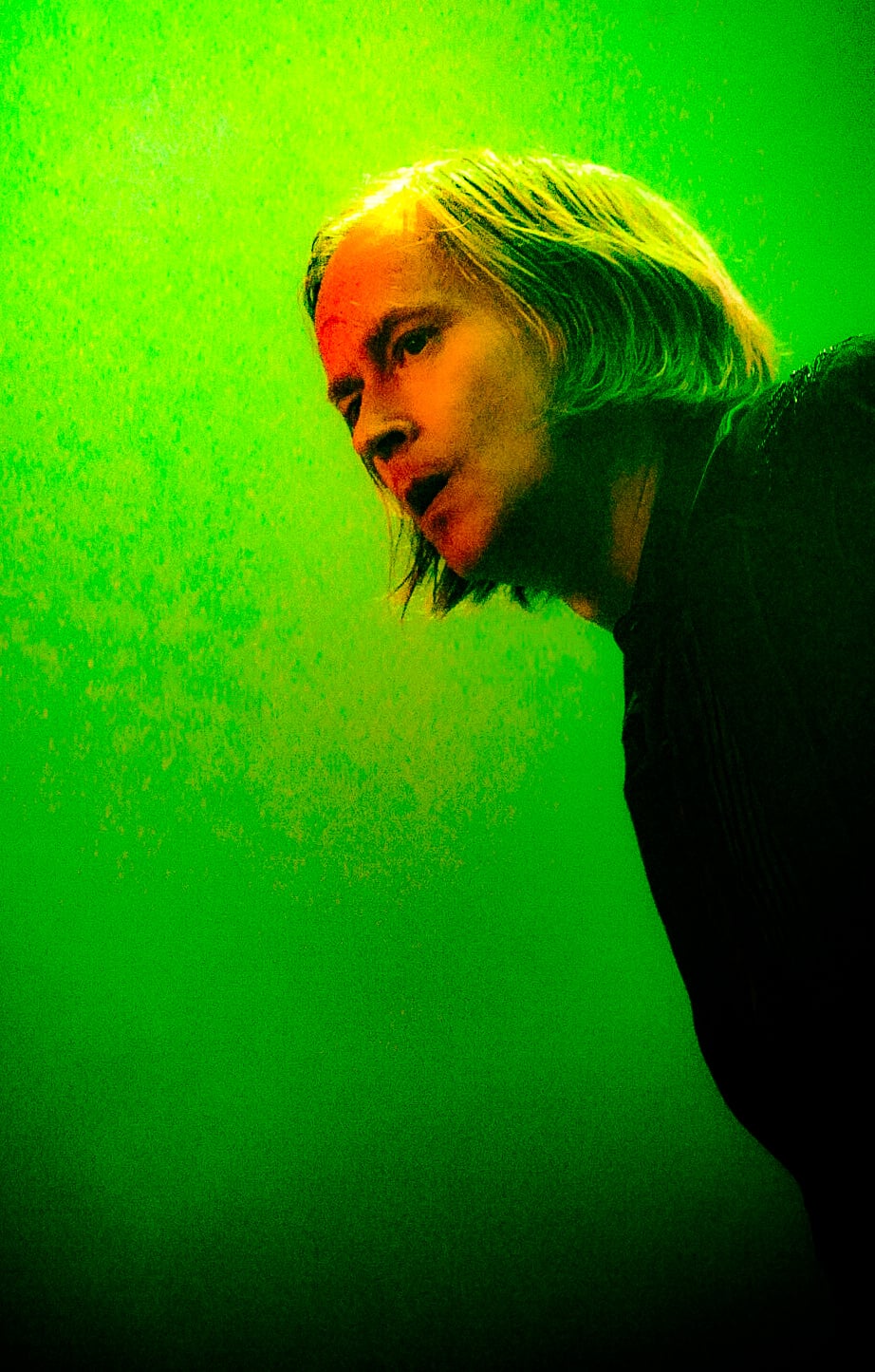
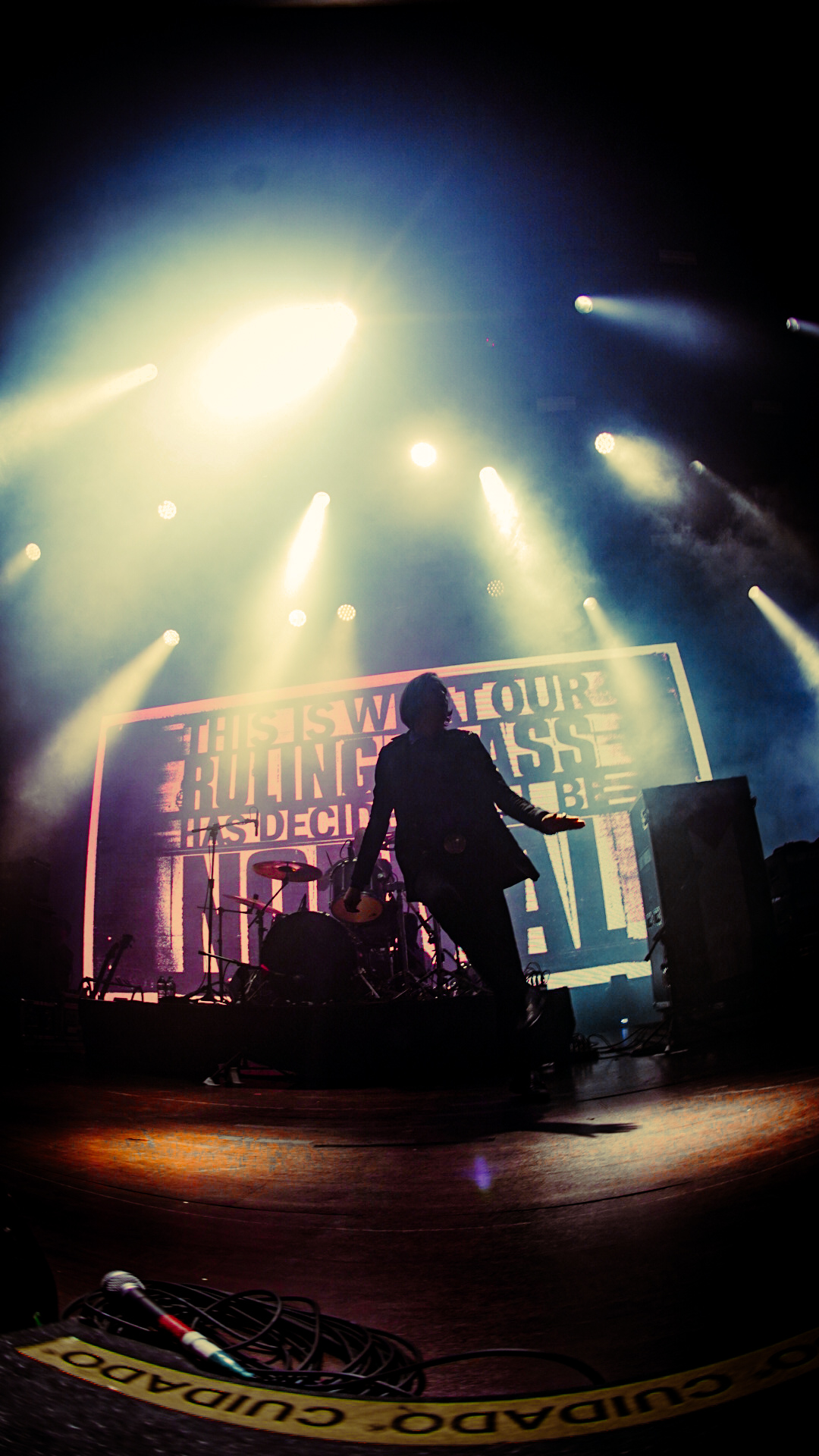
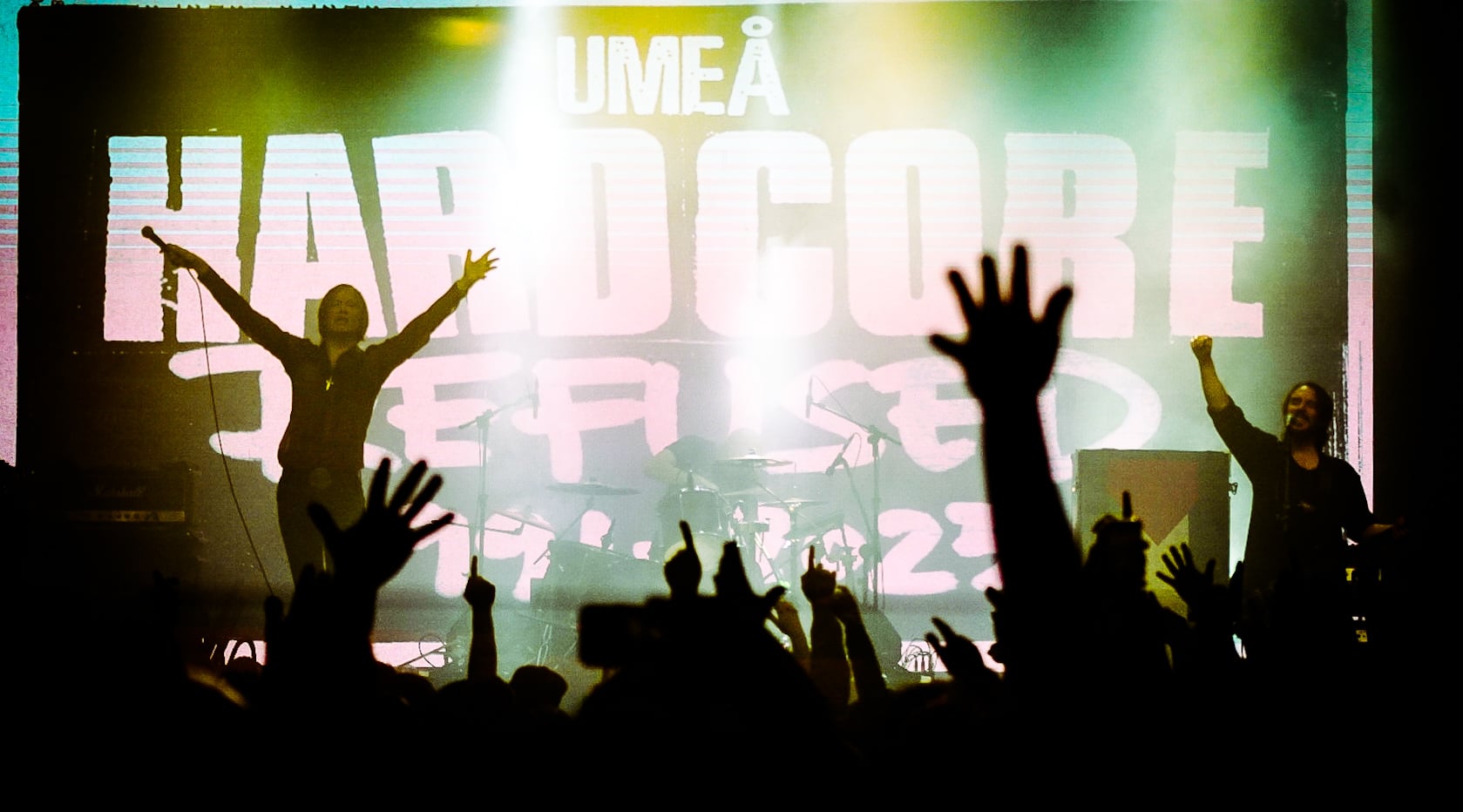
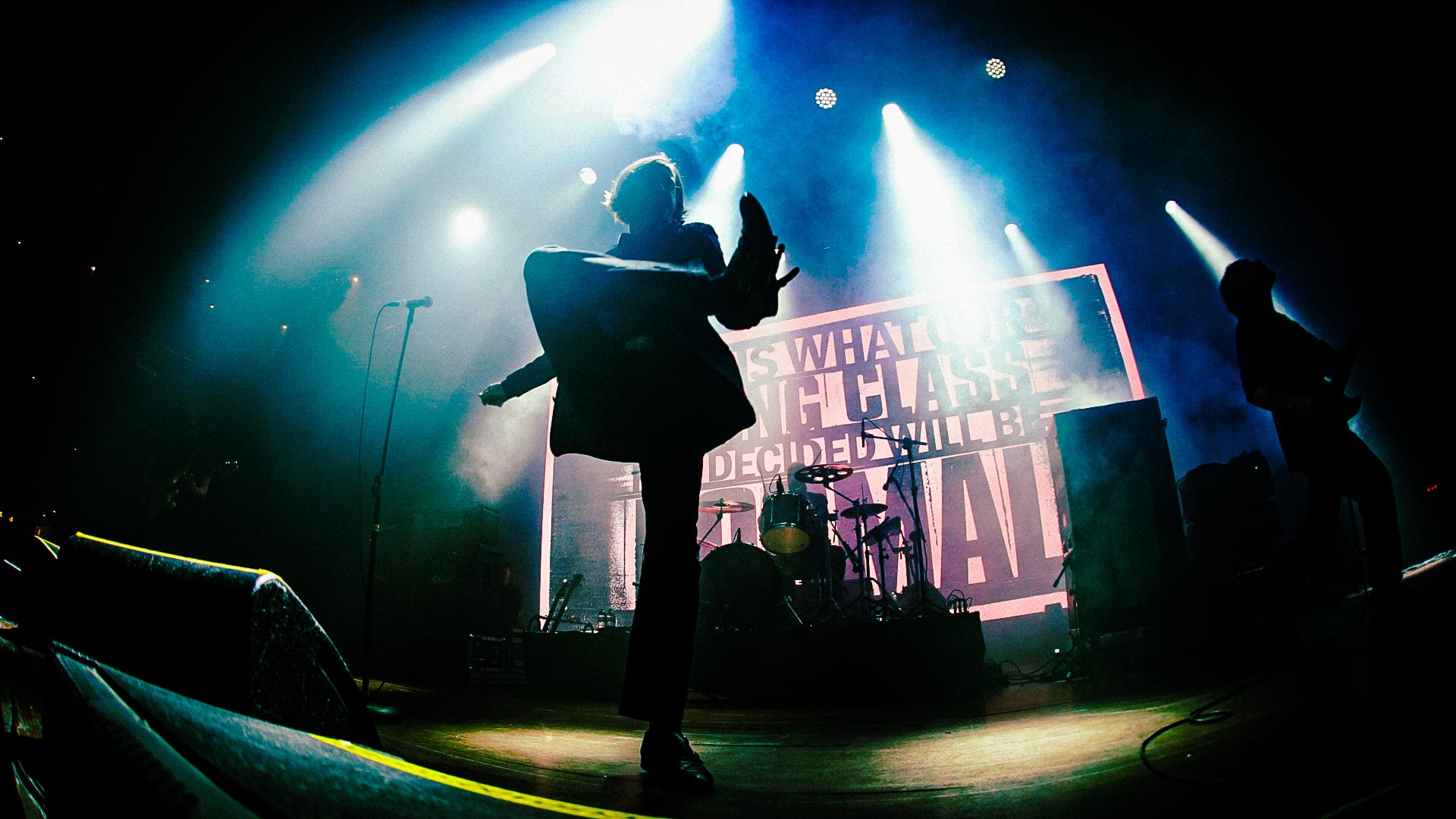
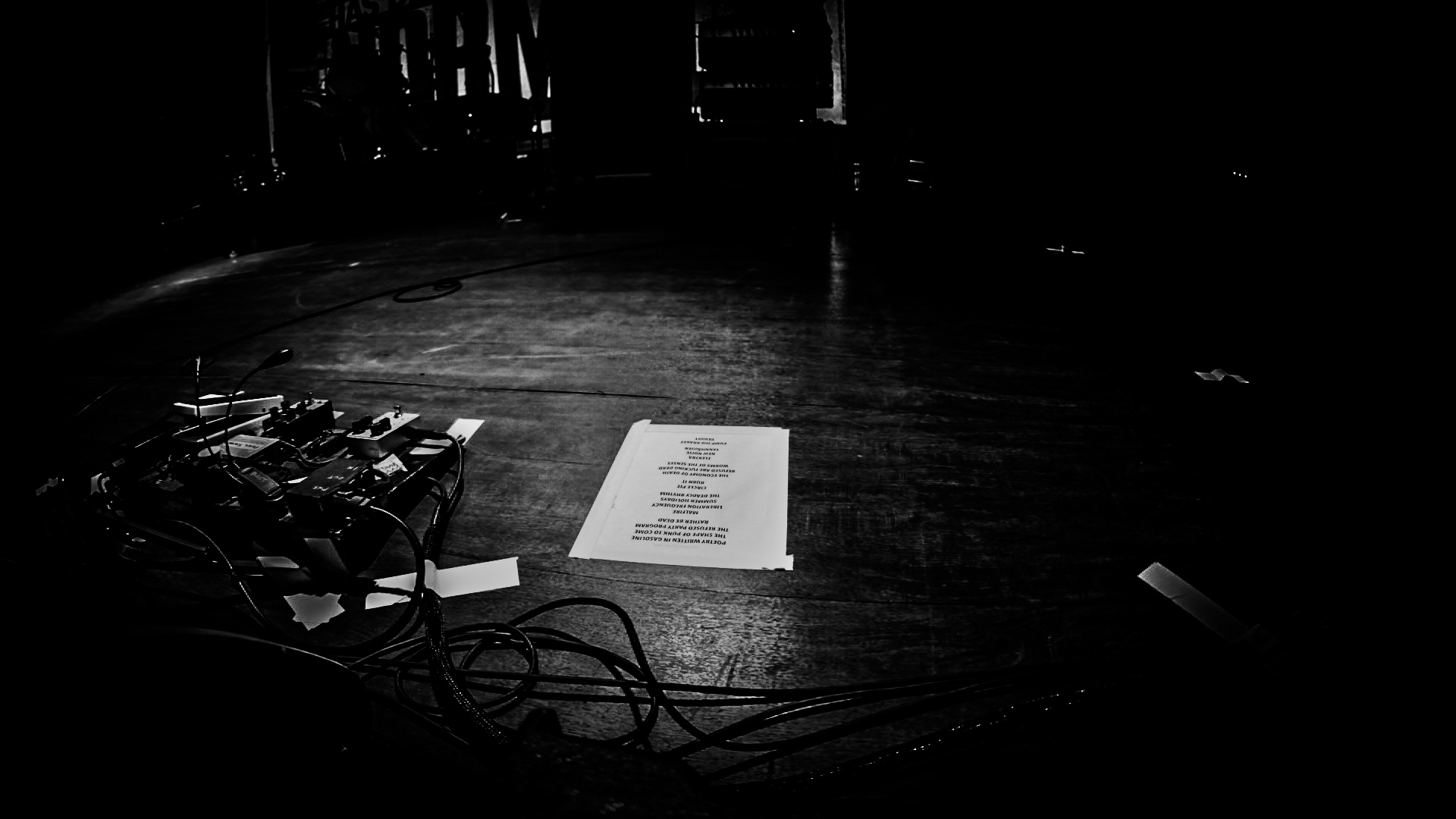
Without introductions or speeches, Refused took the stage at exactly 9:30 PM and kicked off the night with "Poetry Written in Gasoline," welcoming a crowd ready to expend energy. The synergy between band and fans was immediate, the result of years of waiting and countless "come to Brazil" comments that, as vocalist Dennis Lyxzén humorously mentioned, finally came true. Indeed, Dennis is a natural frontman: besides small acrobatics, kicks in the air, microphone throws, and some dancing on stage, his voice remains intact and incredibly powerful.
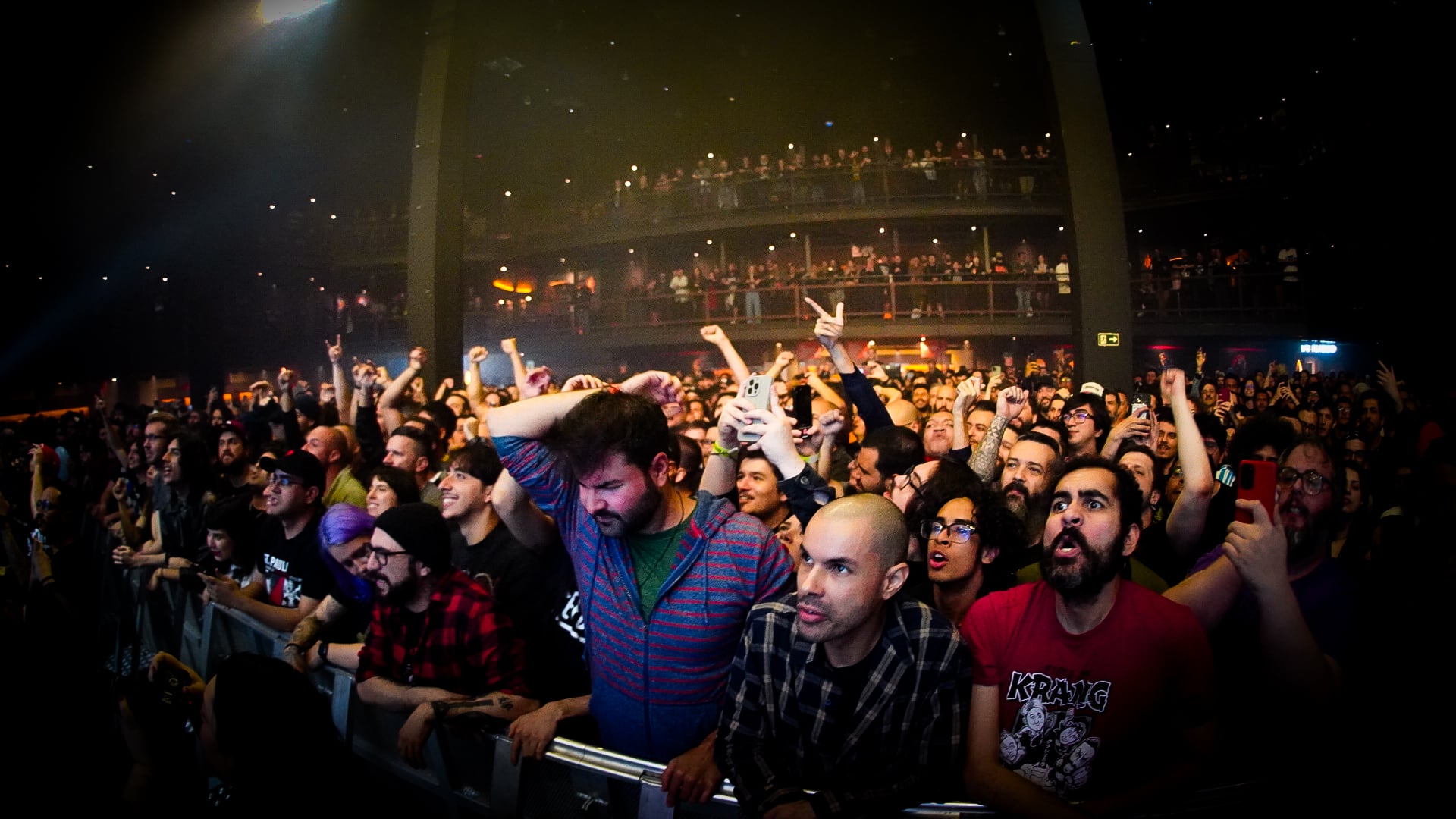
During the double bill of “The Shape of Punk to Come” and “The Refused Party Program,” the audience responded with mosh pits, lots of pushing and shoving, and crowd surfing, turning the experience into a true collective rite of celebration and catharsis. The setlist spanned eight EPs and albums with such comfort and confidence that there was even room for a snippet of Slayer ,” comically incorporated between the riffs of “The Deadly Rhythm,” eliciting some laughs from the crowd, who were amused by the surprise.
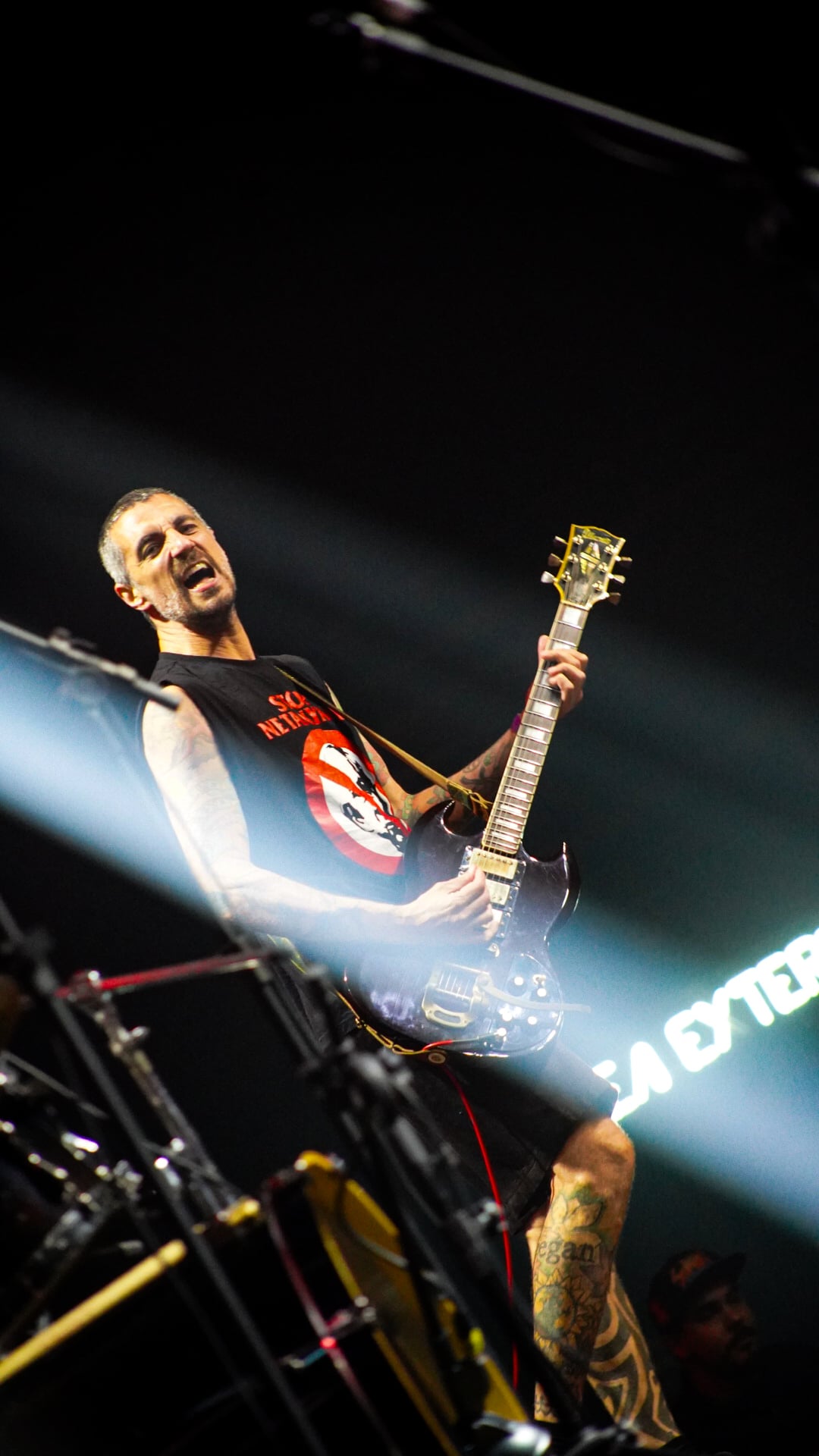
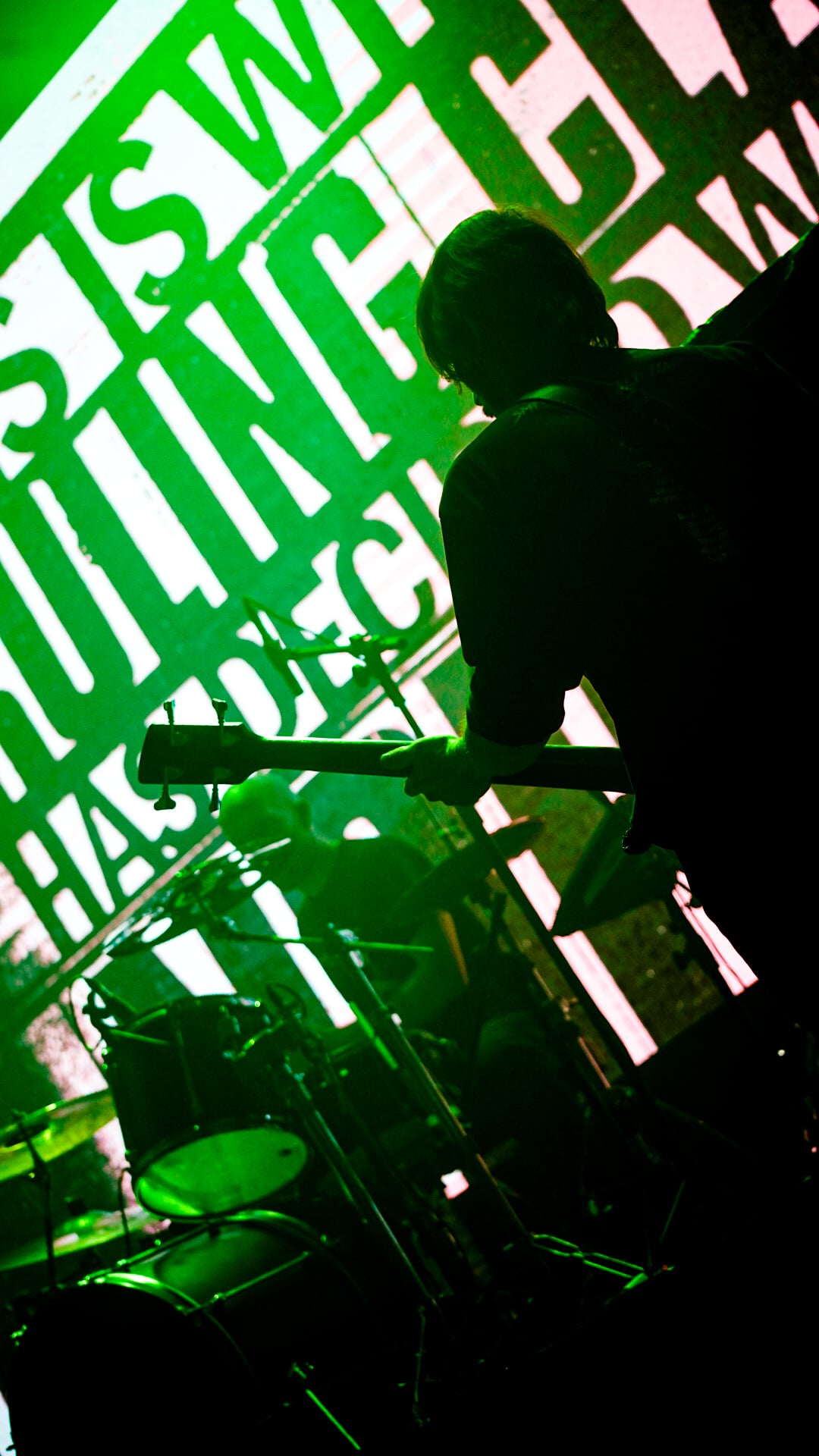
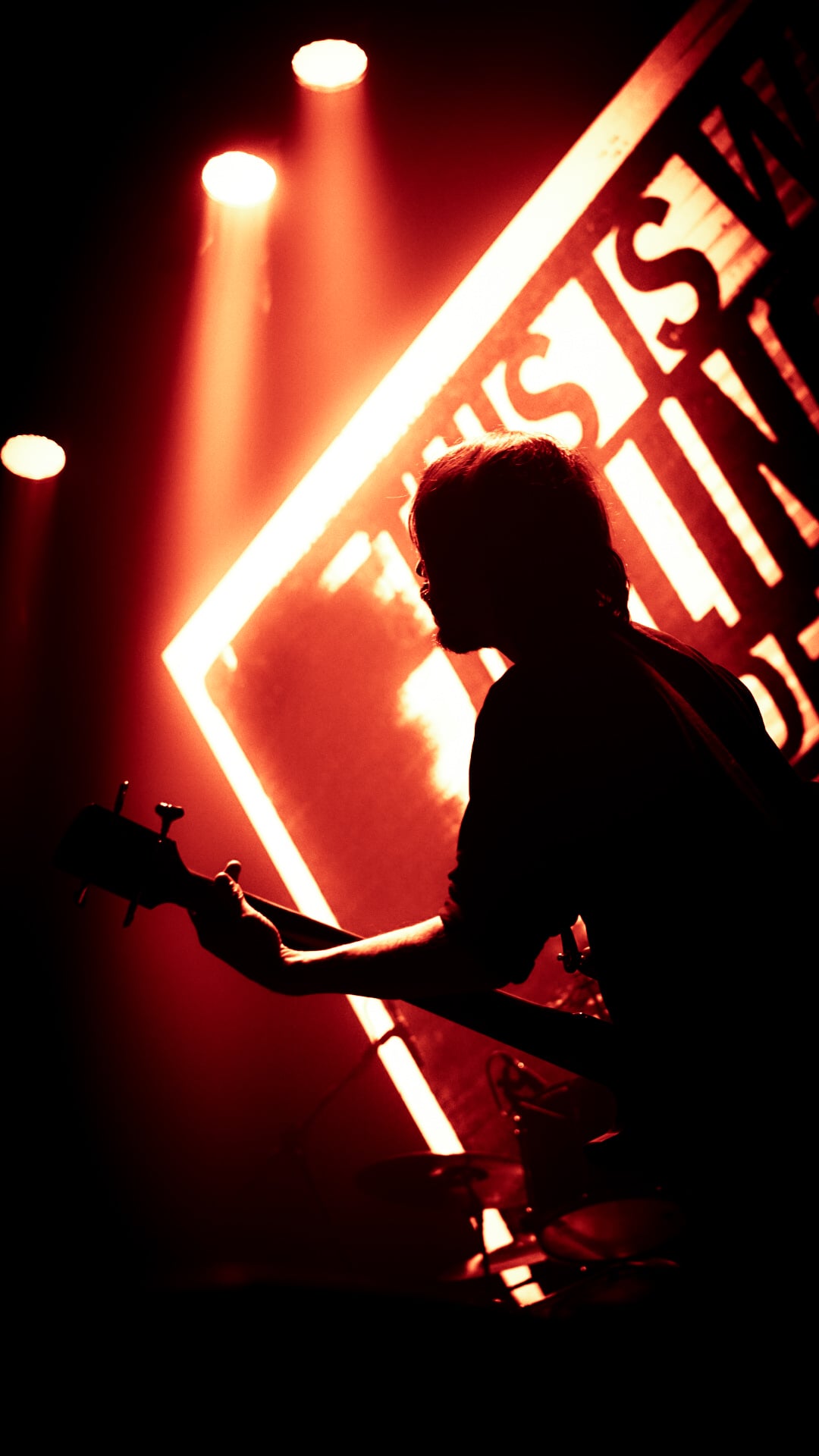
Midway through the show, returning to Refused's hardcore roots, the highlight was "Burn It," from the EP Everlasting (1994), whose guitar borders on feedback in its chaotic sound. Throughout the night, David Sandström Mattias Bärjed 's guitar Magnus Flagge 's bass cut through the air with distortions and weight that mixed fury and control, an (im)balance that defines Refused's unmistakable sound.
Between songs, Dennis delivered fiery and necessary speeches, reaffirming the political character that has always been in the band's DNA. He spoke about the working class, the rise of fascism around the world, the LGBTQIA+ community, Palestine, and the importance of taking a stand and organizing.
“I believe that if we remain silent and don’t talk about it, we will be complicit. We need to talk about these things if we want a better world to live in. We need to build that world. Talk to your friends, your family, your colleagues. Educate yourselves and organize yourselves.”
The climax came with “New Noise,” the absolute anthem from the album The Shape of Punk to Come (1998). The first chords of the long intro were enough to transform Terra SP into one heart, and the biggest mosh pit of the night formed instantly: everyone knew what to do. The audience vibrated with high tension until the historic cry “Can I scream?”, which echoed like a collective purge fueled by a lot of energy, sweat, and emotion. Time seemed to have been suspended at that moment, which could very well have lasted forever. The night ended with the encore of “Pump the Brakes” and “REV001.”
The band received a standing ovation, reciprocating the affection with autographs, photos, genuine smiles, and teary eyes. The night was a perfect and worthy epilogue for a band like Refused, full of feeling and, above all, meaning. The end, there, didn't sound like a conclusion, but like permanence and also the realization that some cycles are only completed when the cry is finally heard.