The brothers performed in Porto Alegre.
Text by: Rust Costa Machado
Photos by: Daniela Cony
Sunday, November 4th, the end of the All Souls' Day long weekend, nothing could be more appropriate than revisiting Sepultura during this well-deserved rest after an apocalyptic post-election week. That night marked the return of brothers Max Cavalera and Iggor Cavalera to the capital of Rio Grande do Sul. The event drew a huge line of fans from all walks of life along José do Patrocínio Avenue.
In yet another appearance at Bar Opinião, the musicians are now promoting Beneath Arise 89/91. It was the best possible selection from their career as members of Sepultura, the band they founded over three decades ago. It was hard to go wrong, and indeed it didn't: even the design of Sepultura's old logo was repurposed by the Cavalera brothers, visually solidifying the spirit of the night.
The event kicked off with a performance by Diokane , who opened the night. The Porto Alegre-based band consists of vocalist Homero Pivoto Jr. , a professional behind the scenes with various bands that play in Porto Alegre; guitarist Rafael Giovanoli , a renowned tattoo artist and member of the formidable In Torment ; drummer Gabriel 'Kverna' Mota; and bassist Duhduh Rutwoski .
Within the 'crust' sound, the band re-assimilates death metal with great quality, combining the style of big names like Morbid Angel and Asphyx with the objectivity, poignancy, and sonic aggression of the more violent side of punk. It's true that death metal no longer scares anyone, but faced with an aesthetic standard full of clichés, how to innovate without abandoning the roots? Diokane does this very well, bringing a more relaxed attitude, engaging with the audience, playing with pleasure, dedication, but above all, brutality.
A rare sight for an opening band, the quartet was very well received by the audience right from the end of the first song, "The Light that Make Us Blind," which was followed by "Descreditado." It's a fact that, in addition to the impressive cohesion of their sounds, Homero's stage presence – which included going down to the audience, offering an excellent dose of direct engagement – geared towards punk/crossover, combined with his good communication skills and the affectionate announcement of his young son's presence in the audience, all pleased the crowd. However, it was really in the frontman's raspy vocals that he stood out, at various moments reminiscent of the guttural laments produced by Martin Van Drunnen or Chuck Schuldiner in their glory days.
The band's compositions also surprised, increasingly oscillating between structural simplicity, talent for tempo changes, and sharp, synthetic, and tasteful riffs. The band bids farewell with "Days of Summer," but it won't be long before Diokane's sound becomes more popular in underground circuits worldwide, especially after their upcoming debut EP, announced soon according to the band's social media.
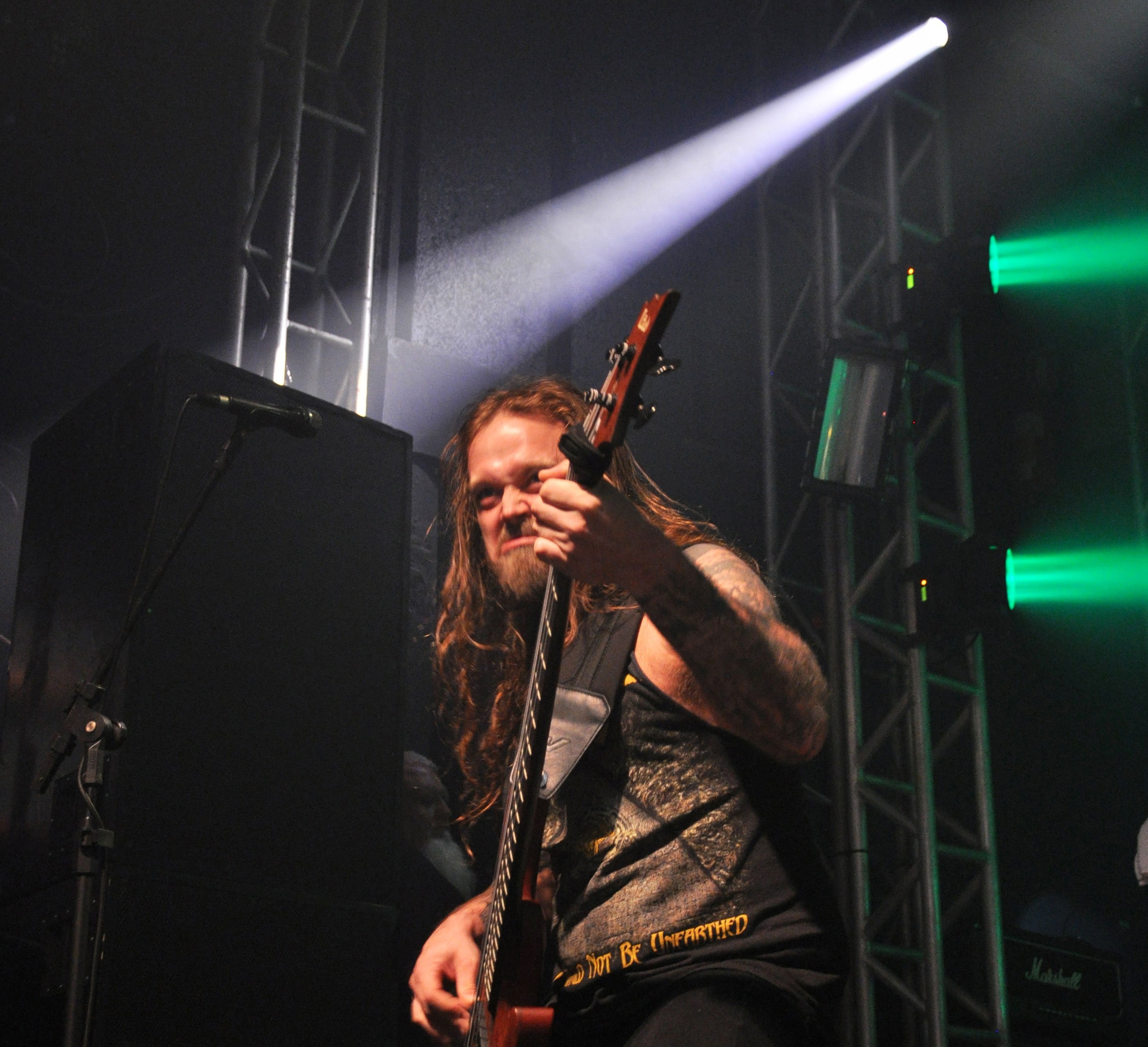
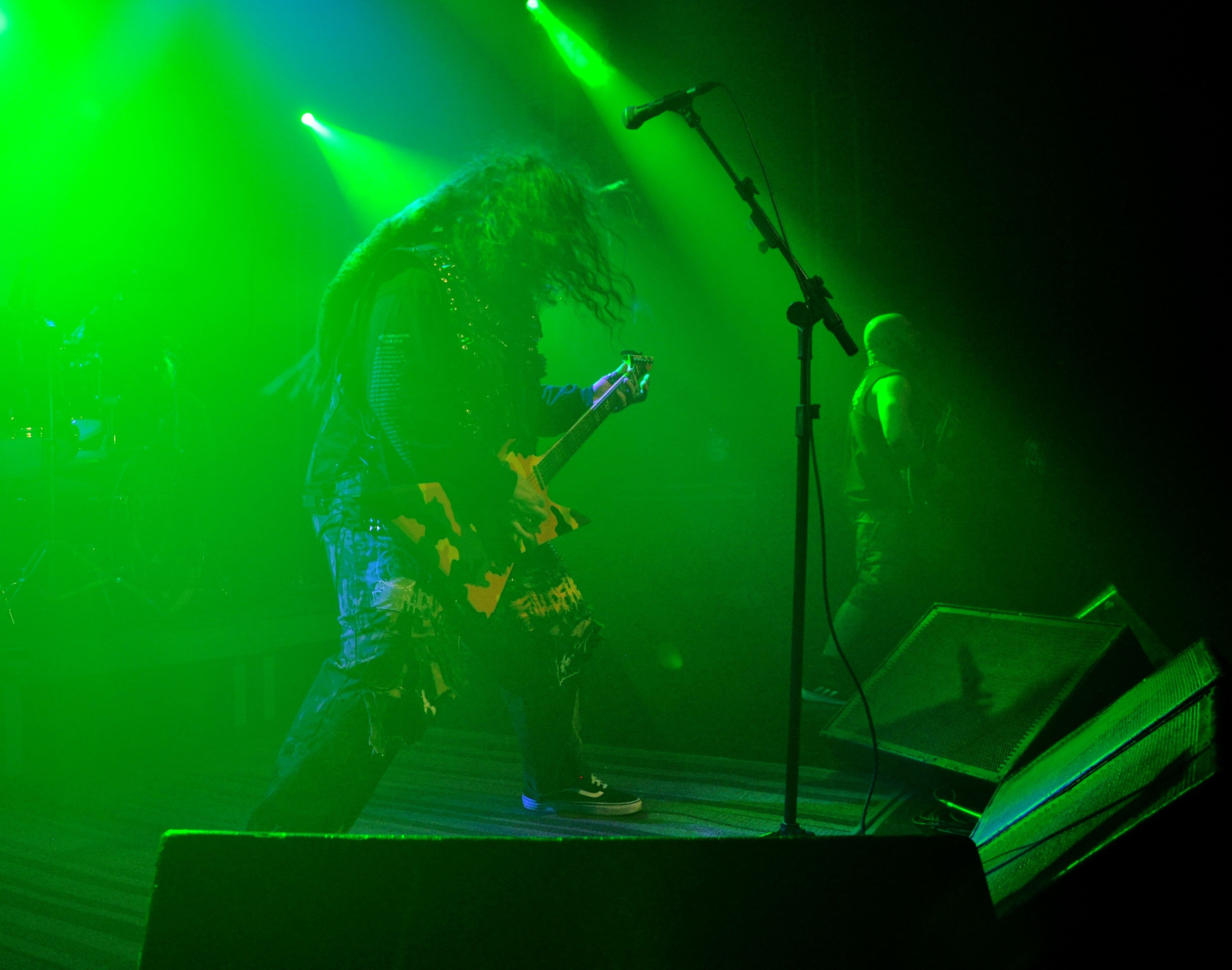
The Cavalera brothers took to the stage shortly after 9 pm with the mission of detonating the powerful dynamite of the past, offering a dream set for any fan of the Minas Gerais quartet's legacy. Chosen to complete the lineup are Marc Rizzo (guitar) and Mike Leon (bass), both musicians from Soulfly , and the repertoire resurrected the best tracks from the band's great death/thrash albums, making this Beneath Arise .
The feeling is complex: while the works need no introduction, it's necessary to fight the desire to, once again, bring them to light, explore them, appreciate them, relive them. Beneath the Remains (1989) and Arise (1991), it is widely said, guided the spotlight of a fairly consolidated extreme metal scene in the northern hemisphere to this exotic country that was just saying goodbye to the darkest years. Sepultura became one of the greatest extreme metal bands of all time, a reference for all the great names in thrash and death metal, and the rest is history. But to look closely beyond the narratives: that is the merit of the Cavalera brothers, who on stage have the opportunity to showcase the details of intricate, extensive and powerful arrangements, all under a fast, technical and violent rhythm section.
The setlist was flawless, featuring the highlights from both albums. The intro to "Beneath the Remains" blared through the PA system, and from there it was unstoppable: the show kicked off with this title track, along with "Inner Self" and "Mass Hypnosis," with its memorable riffs, sung along to by the audience during the melodic parts, without polish or gimmicks. "Stronger Than Hate" offered a beautiful bass finish under very favorable lighting. "Wow, man! We're in Porto Alegre!" said Max, clearly pleased with the packed venue. During "Slaves of Pain" and "Primitive Future," Bar Opinião seemed particularly excited, with constant mosh pits throughout the songs.
As expected, the second act featured classics from Arise, beginning with the vocalist's call: "I see the world…". The audience filled in the gap and received one of the night's great favorites. The set continued with "Dead Embryonic Cells," with its sequence of devastating riffs. The question "Are we here?" introduced "Desperate Cry," which was very well received by the audience. "Altered State" received special treatment in its atmospheric cadence, filled with sinister jungle follies that helped define the band's identity in the 90s, amidst a varied display of guttural vocals. "Infected Voice," despite the call for a mosh pit, revealed that the audience was mesmerized by the quartet, often letting the violence give way to contemplation of the musicians.
From this point on, the tribute to the past turned into a party: “Orgasmatron,” a Motorhead redefined by Sepultura, drove the audience wild. As a bonus, Max abandoned his guitar and guided the band and audience through the even more familiar notes of “Ace of Spades,” also by Lemmy Kilmister's legendary trio. The band left the stage, and for the grand finale, they reserved nothing less than a top 3 of anthems from other albums in their discography: “Troops of Doom” ( Schizophrenia , 1987) revived the most 'raw' vocals from the band's early phase, “Refuse/Resist” ( Chaos AD , 1993) once again brought the house down, and finally the long-awaited “Roots Bloody Roots” ( Roots , 1996) ended the party with a flourish, cleansing the souls of the clearly satisfied fans.
After the farewells, the band clenches their fists for a medley that revisits the tour's concept, incorporating excerpts from the already performed "Beneath the Remains," "Arise," and "Dead Embryonic Cells," as if to nibble at the flesh of even the most incredulous fan.
The quartet leaves the stage to a standing ovation filled with shouts of gratitude and respect. The absurdly high level of demand in this setlist served to reaffirm Iggor Cavalera as the great drummer he is, but it is certainly Max's figure and reputation that remains unscathed by the passing decades. The artist lives up to the respect he commands, embodying the spirit of the underground and breathing the road that, regardless of where it leads him, never hides his origins. May these moments bring the Cavalera brothers back to Porto Alegre, because there is no doubt that the audience will be there.