
Sepultura its 40th anniversary and is currently touring the world with its farewell tour, Celebrating Life Through Death . The band has already performed in several Brazilian states, such as Paraná and Santa Catarina . In August, after touring South Korea, the band returns for shows in the interior of São Paulo, Mato Grosso, and Rio de Janeiro. Check all dates, ticket information, and more on the band's official website .
While the farewell hasn't yet arrived in your city, we've prepared a list of the seventeen studio albums released by Sepultura over these 40 years. The list is in chronological order and features one song from each album.
Bestial Devastation (1985)
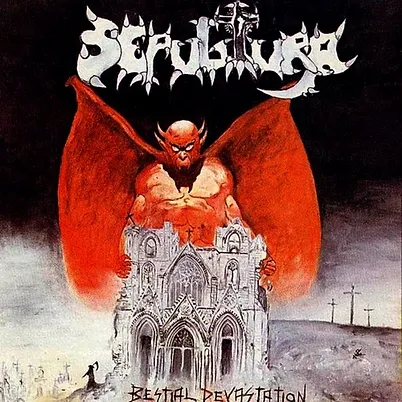
This was the band's first EP, recorded by Cogumelo Records . The lineup at the time was Max Cavalera, Jairo Guedz, Paulo Jr. , and Igor Cavalera . Due to the resources available at the time, the instruments used in the recording were borrowed or rented. Several friends helped in the creation of the album, from participating in the introductions of songs to designing the album cover. Furthermore, since they didn't know English, they needed help translating the lyrics.
In 1985, the first Rock In Rio Whitesnake , AC/DC , Iron Maiden , Queen , Ozzy Osbourne , and Scorpions in its lineup . This helped to popularize heavy metal in Brazil. In just a few months, the band sold eight thousand copies of the album, which helped boost Sepultura's career.
Morbid Visions (1986)
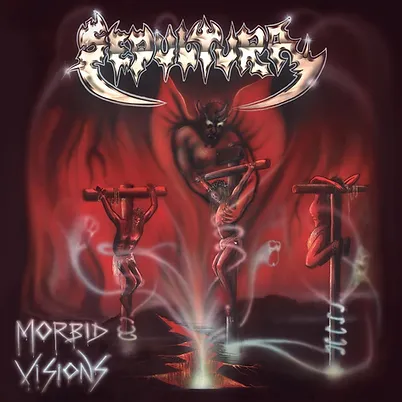
In this second studio recording, while still learning English, the band maintained the same lineup. They recorded 8 tracks, which would become one of the world's first death metal/black metal albums. The album suffered from poor production due to the group's lack of experience. Following this, the band moved to São Paulo and began to gain recognition in the underground metal scene.
Schizophrenia (1987)
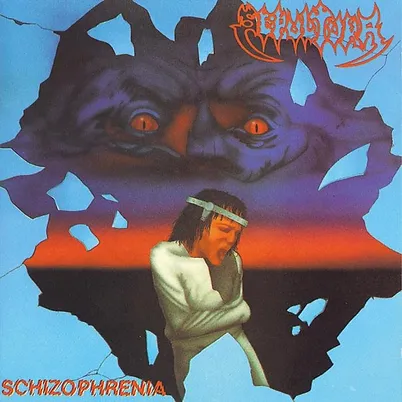
This is the band's first album with Andreas Kisser and marks Jairo's departure. Additionally, they signed a contract with Roadrunner Records and began their international career. On this album, they move closer to black metal. At the time, American music venues were hesitant to book the band because of their musical style.
Beneath The Remains (1989)
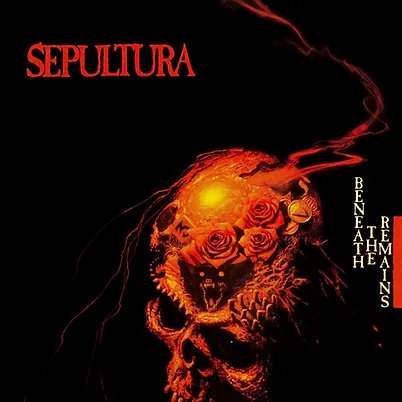
In this album, the band maintains the same lineup and shows itself to be much more mature. Considered a thrash metal classic, its production was negotiated with Roadrunner Records . Certainly much more elaborate than its predecessors and with advanced equipment for the time in Brazil. Consequently, the band ceased to be underground and conquered the world.
Arise (1991)
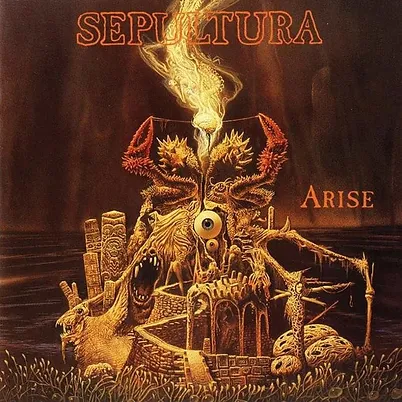
Here the band maintained the thrash metal style of the previous album. But they also began to show influences from other styles such as industrial music, hardcore punk, and Latin percussion. Acclaimed by critics, it is considered by many fans to be the band's best album. This was Sepultura's first album to enter the Billboard .
Chaos AD. (1993)
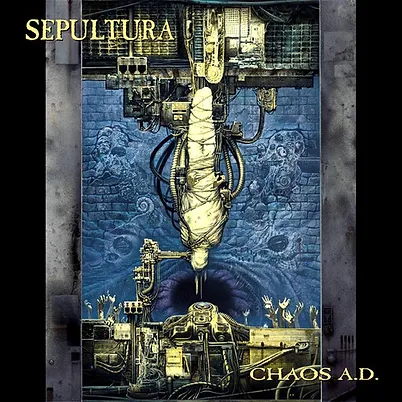
The sixth album marked a stylistic shift for the band, which began to more frequently address social issues such as popular uprisings, territorial conflicts, and police brutality. Furthermore, it moved closer to groove metal and somewhat abandoned the thrash metal sound. The album was very well received and is considered one of the best metal albums of all time. It even appears on Rolling Stone Brazil .
Roots (1996)
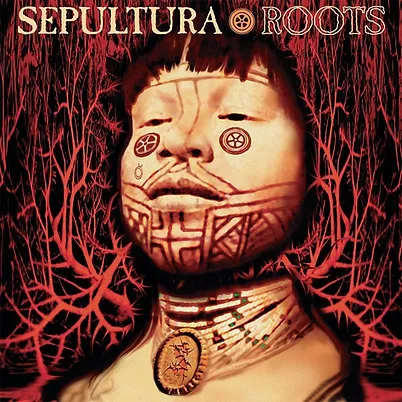
In this album, Sepultura embraces Brazilian culture and flirts with nu metal. The mix of low-tuned guitars, rhythmic riffs, and indigenous beats permeates the record. This would be the last album to feature Max Cavalera. Its production included the participation of Carlinhos Brown and Mike Patton of Faith No More. Furthermore, it included recordings made in the Xavante indigenous tribe. The album remains a reference point to this day and was the band's best-selling album.
Against (1998)
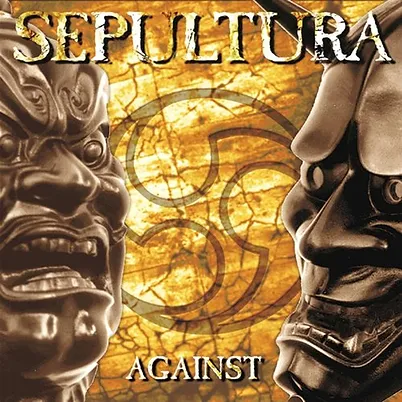
From this album onwards, Derrick Green takes over from Max Cavalera. In this album, the band incorporated references to Japanese culture. A Japanese percussion group participated in some tracks. However, after the success of the previous album, sales of this one were low.
Nation (2001)
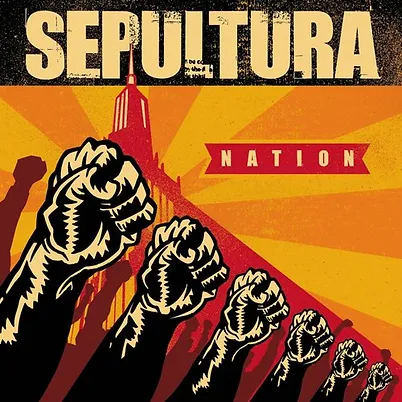
Sepultura's ninth album featured several special guests, including singer Jamey Jasta from Hatebreed , Jello Biafra from Dead Kennedys , Cristian Machad from Ill Niño , João Gordo from Ratos de Porão , and Apocalyptica . However, despite receiving good reviews, sales were lower than its predecessor.
Roorback (2003)
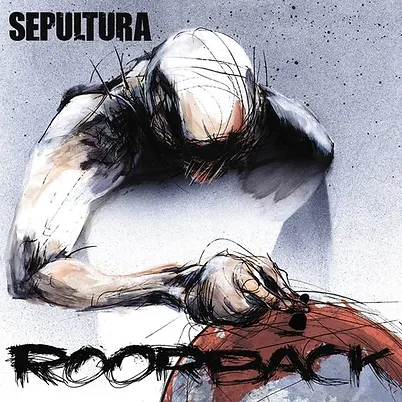
This is the band's tenth album and the third with Green. They certainly recapture some of the energy of the Roots and dissect reality in hard-hitting lyrics. That's why this time the album achieves a good position on the Billboard and has good sales.
Revolusongs (2003)
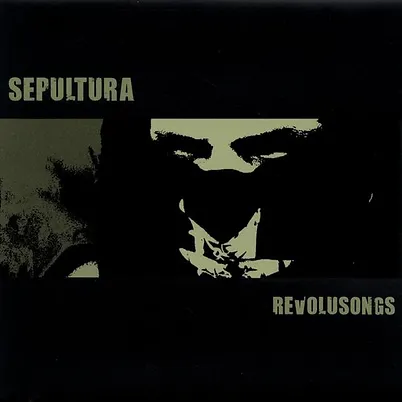
The EP was released consisting solely of covers, showcasing Sepultura's versatility with versions of songs by Metallica , Massive Attack , and even U2 . However, it was only released in Brazil and Japan and received a good reception.
Dante XXI (2006)
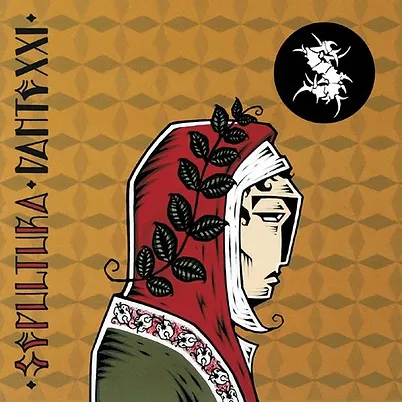
In a concept album inspired by Dante Alighieri 's Divine Comedy , Igor Cavalera bids farewell to playing drums for Sepultura. Just like Dante's work, the album is divided into three parts: Inferno, Purgatory, and Paradise. But despite good reviews and numerous accolades, sales did not follow the same path.
A-Lex (2009)

Following the literary inspirations of concept albums, for A-Lex the band chose Anthony Burgess 's A Clockwork Orange Jean Dolabella took over the drums The title is a pun on the main character's name, Alex, and the Latin expression A-lex (without law) in a direct reference to his behavior. Thus, it was chosen as one of the best albums of its release year by Rolling Stone Brazil .
Kairos (2011)
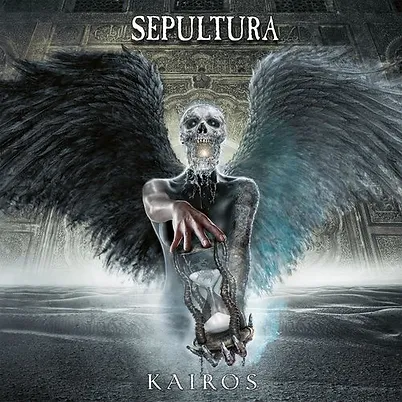
This was the first album recorded by the German independent label, Nuclear Blast Records , and the last with drummer Jean Dolabella, who left shortly after its release. The idea behind the album was to reflect on the band's 26-year history at the time. It was well-received by critics and charted well in several countries.
The Mediator Between Head and Hands Must Be the Heart (2014)
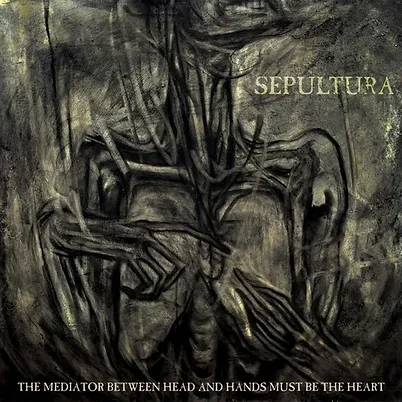
On this album, Eloy Casagrande takes over on drums. Inspired by the science fiction film Metropolis , the title is a phrase from his work. Undeniably, this is a very brutal, sinister album, the likes of which Sepultura hadn't produced in a long time. Ultimately, the return to dark metal pleased both critics and fans.
Machine Messiah (2017)
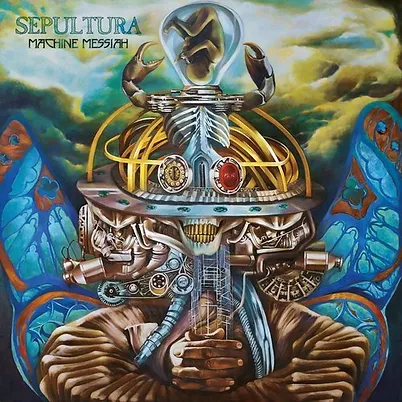
After 3 years, Sepultura returned to discuss how robotic society has become today. Highly praised for its musical quality, it appeared on several best-of-the-year lists. Furthermore, it was considered the eighteenth best Brazilian album by Rolling Stone in 2017.
Block (2020)
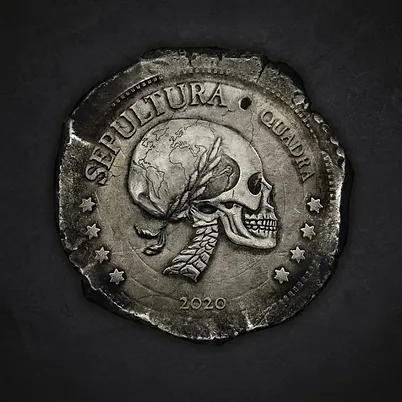
Since 1998, no album by the band has been as successful as Quadra . Divided into three parts, it covers all phases of the band: the thrash metal of the classic era, the groove metal of the Roots , and finally the progressive phase. Considered one of the band's best works due to its overall technical quality.
READ ALSO : Sepultura: band wants to release new EP with ballad
